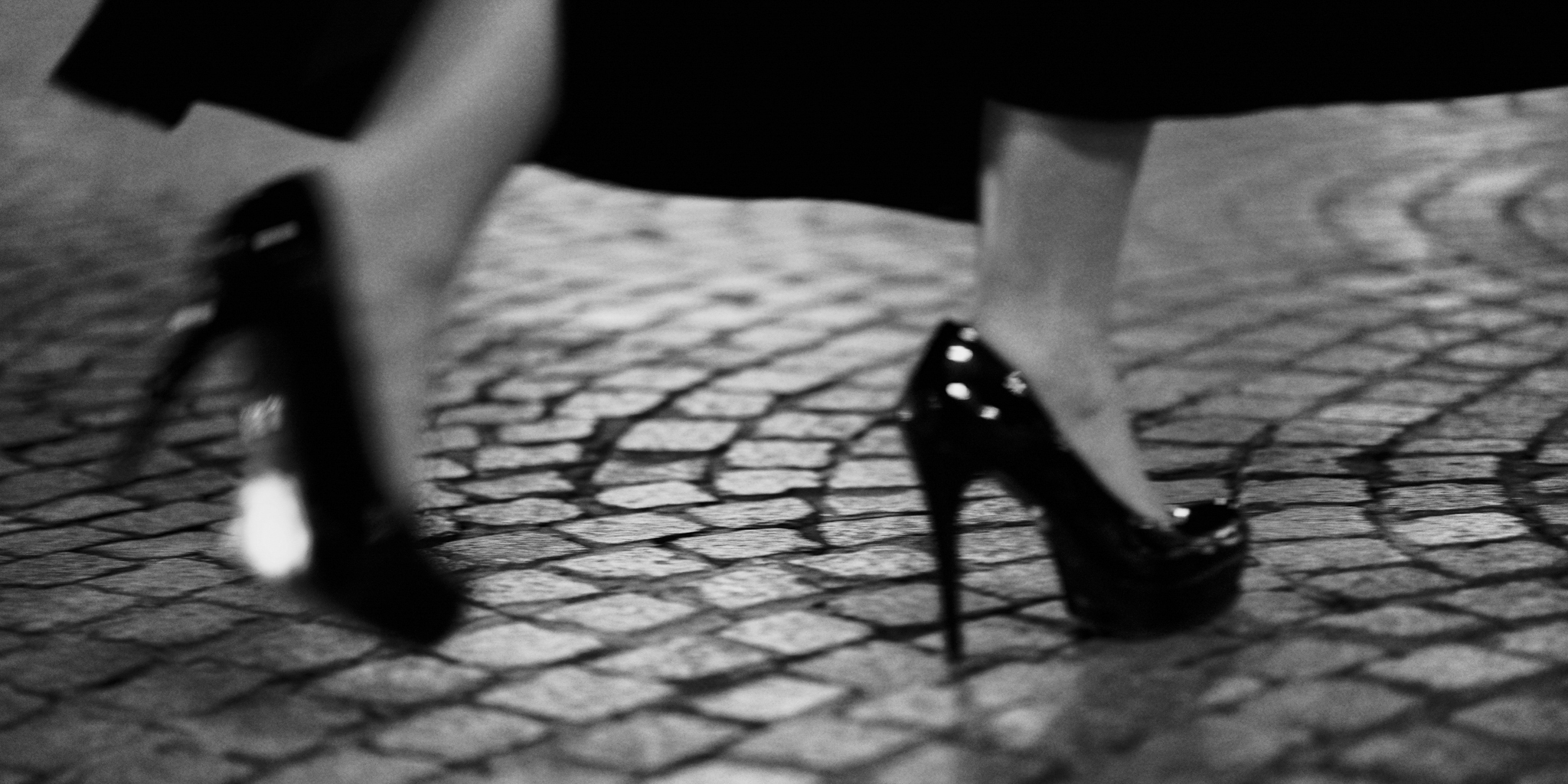
What’s the best way to experience Paris? For me, it’s walking. Yes, walking. To where? Anywhere. Paris is a city brimming with places to see and discover, whether you have a camera in hand or not. The photos in this article were captured during one of these walks, where I let the rhythm of the city guide me.
Photography thrives in movement, especially in a city like Paris, where life feels like a constant dance of contrasts and energy. This series captures fleeting moments that define the city’s rhythm, revealing its stories through black and white. By stripping away color, the focus shifts to motion, texture, and emotion—elements that bring these scenes to life in a timeless way.
Motion at Place de l’Alma
At Place de l’Alma, life unfolds in a swirl of movement. The metro staircase becomes a canvas for human rhythm—heels click against the steps as someone rushes upward, shadows stretch and ripple across the tiles. A cyclist glides down a staircase, defying gravity in a moment of pure fluidity. Meanwhile, a tuktuk driver waits in the stillness, his silhouette stark against the night, poised to carry tourists into the city’s heartbeat.
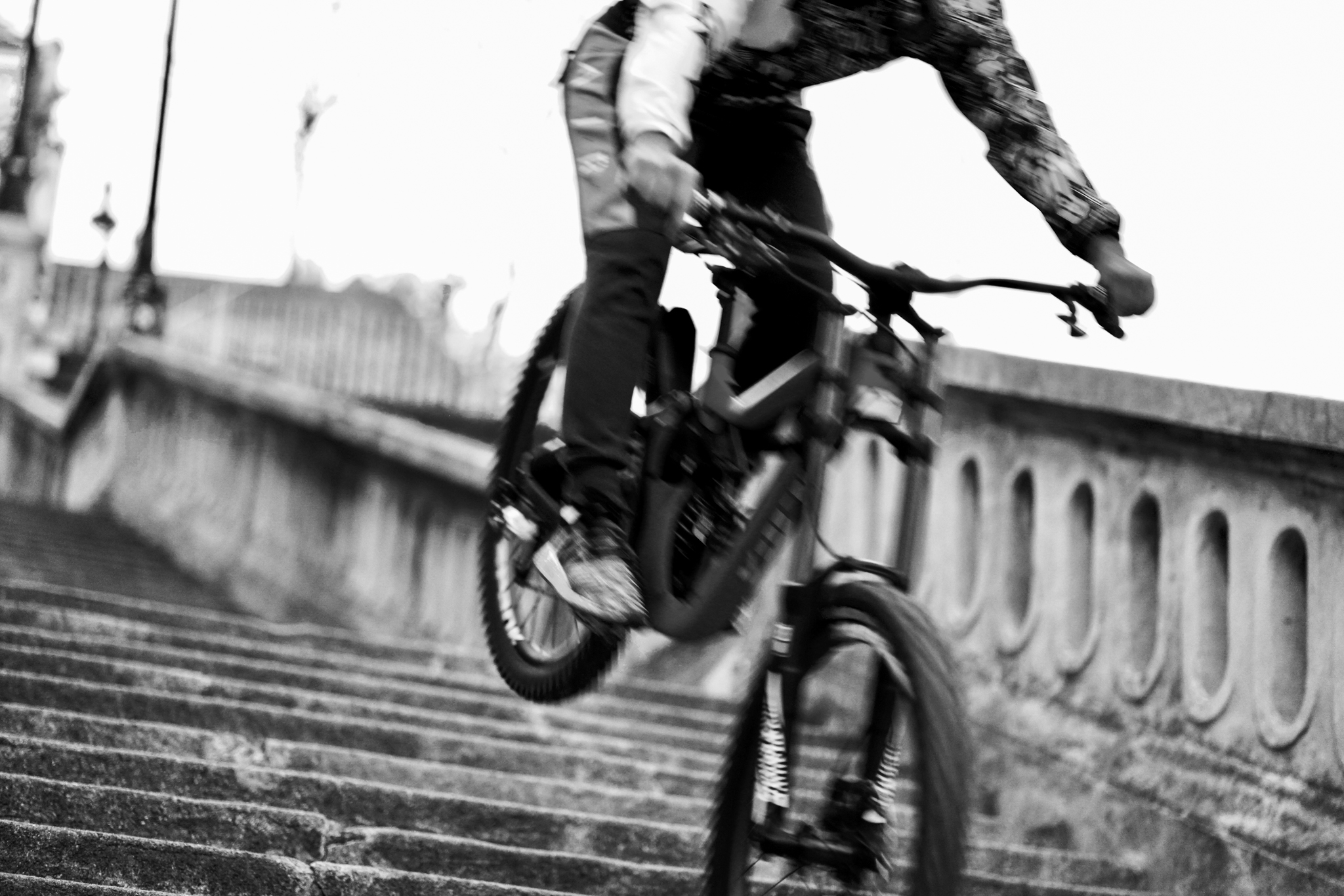
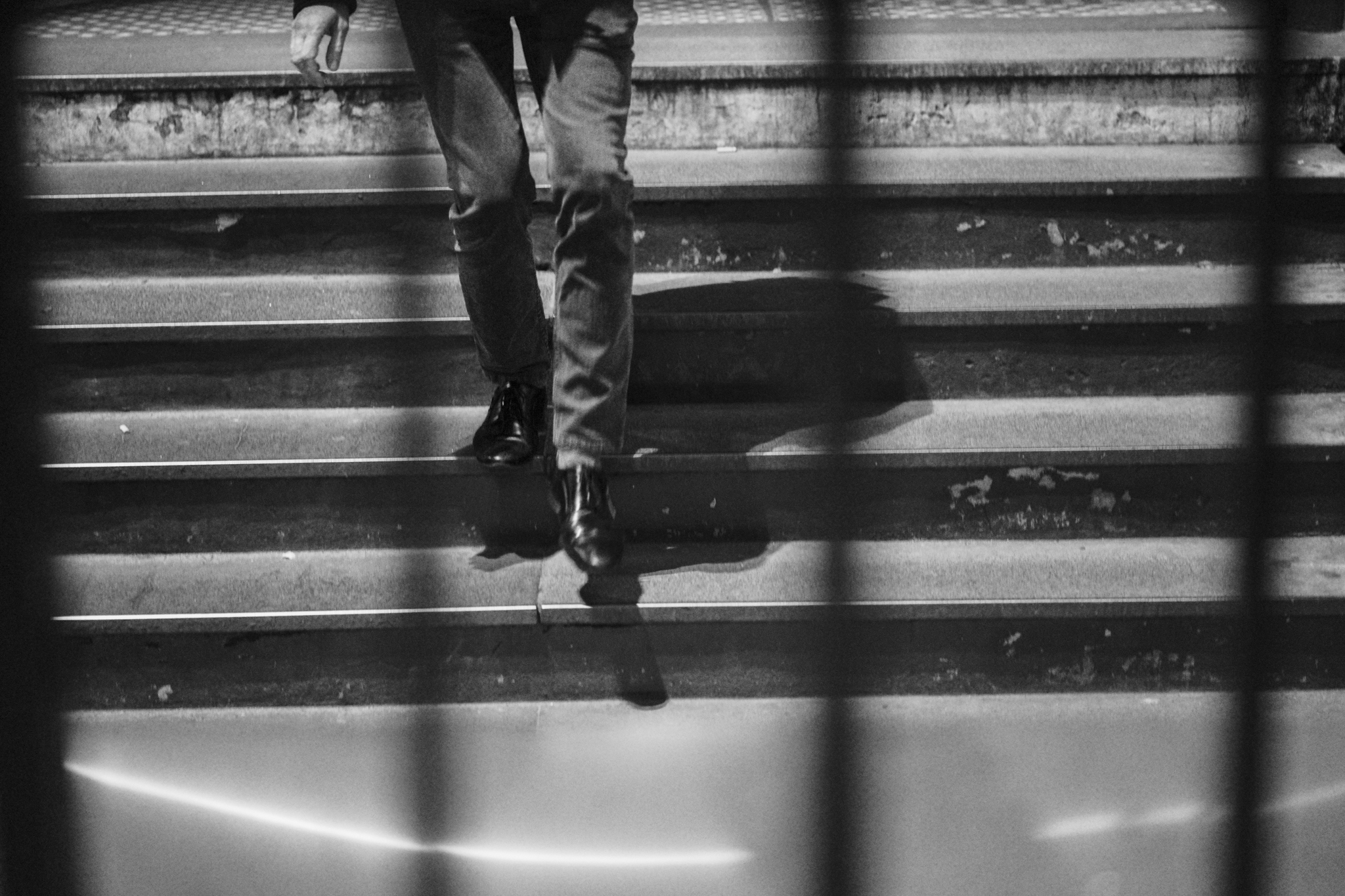
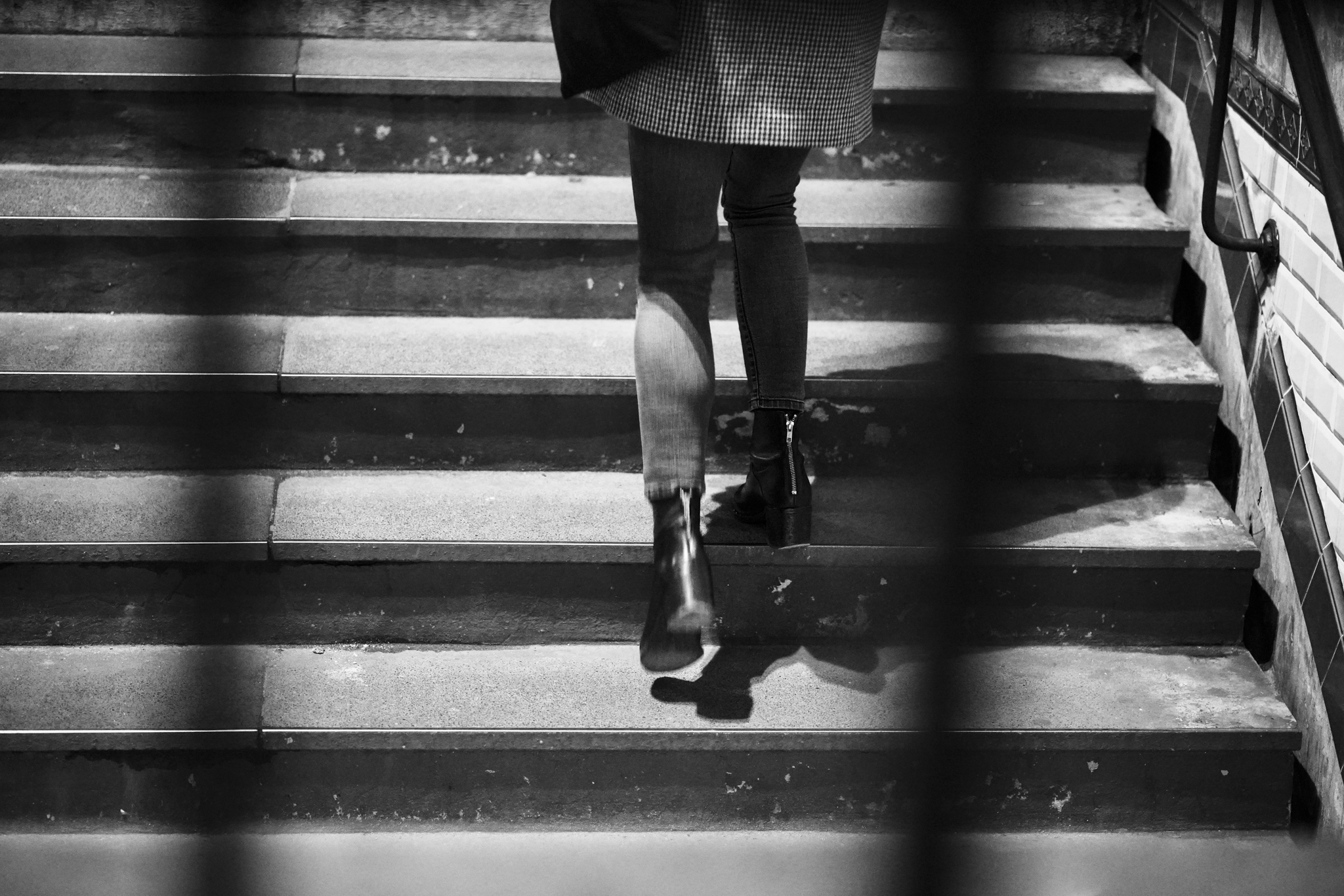
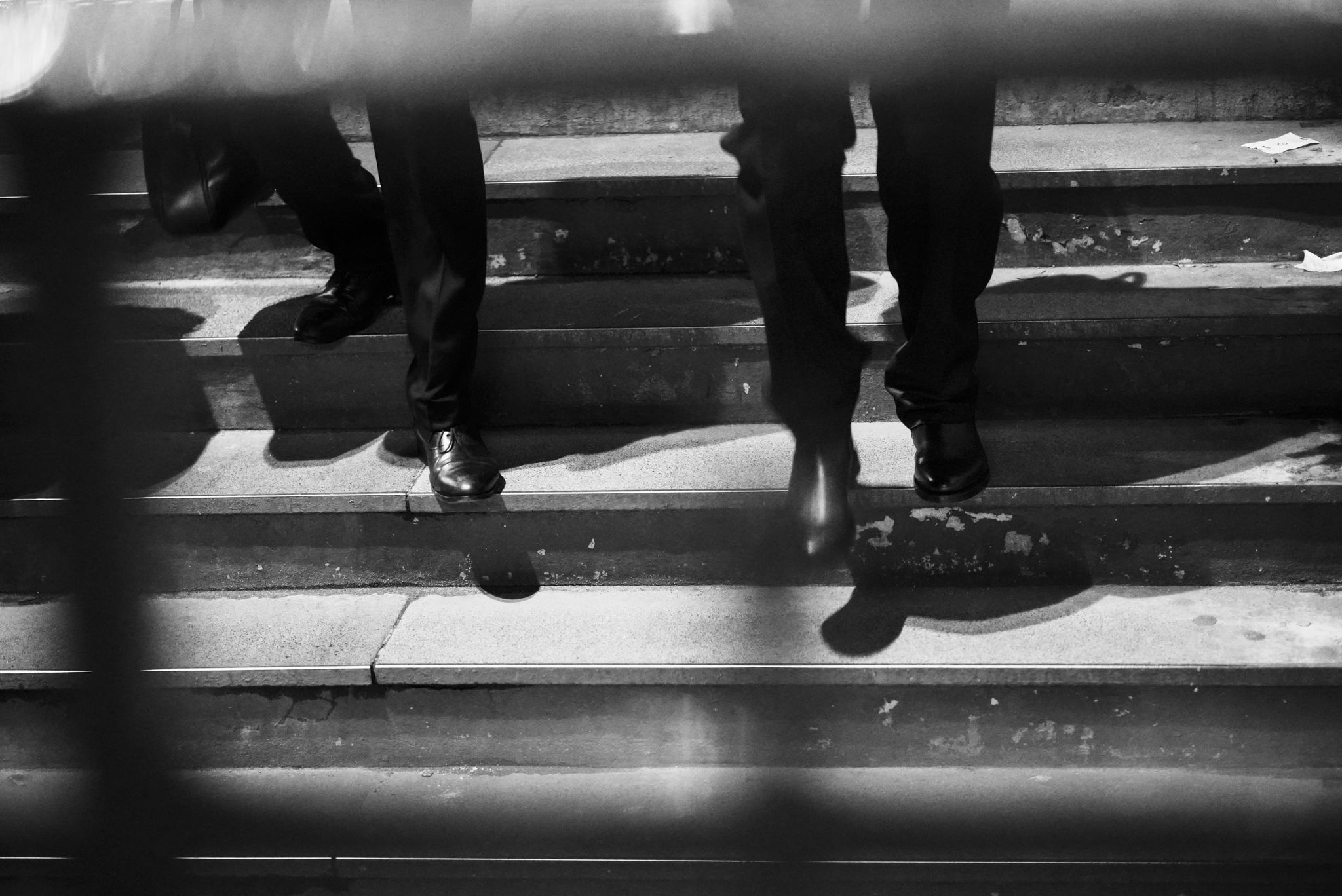
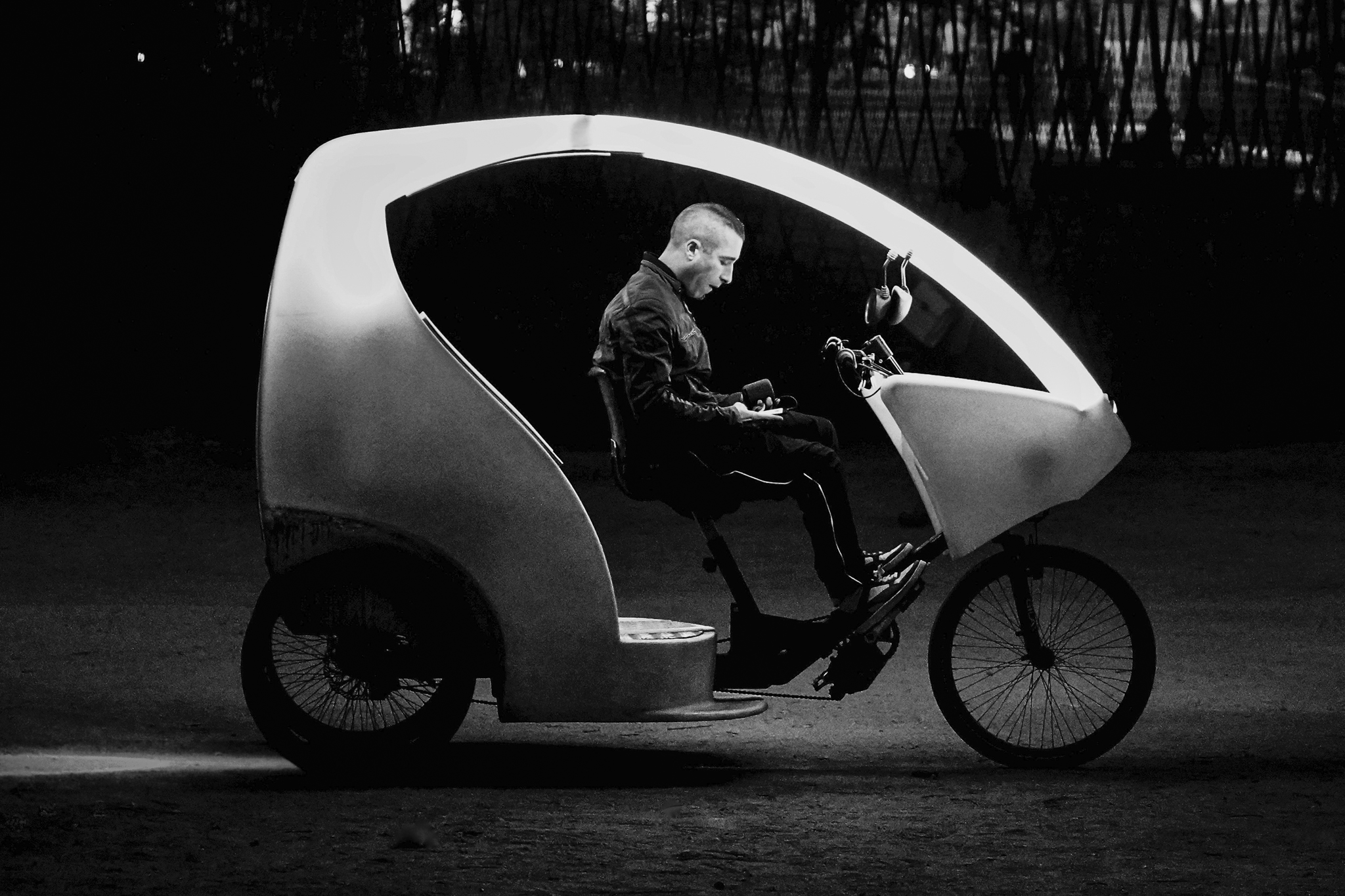

In this dynamic setting, black and white photography enhances the drama. The interplay of light and shadow emphasizes the fluidity of people in motion, capturing the tension between restlessness and stillness.
Stories By the Eiffel Tower
Beneath the towering presence of the Eiffel Tower, Paris slows to tell quieter stories. A street performer pours his soul into a song, his face etched with raw emotion as his guitar carries his melody into the night. Nearby, tourists prepare for their perfect snapshot, adjusting poses, their laughter suspended in time. On a péniche roof, seagulls gather in elegant stillness, their forms contrasting the bustling scene below.
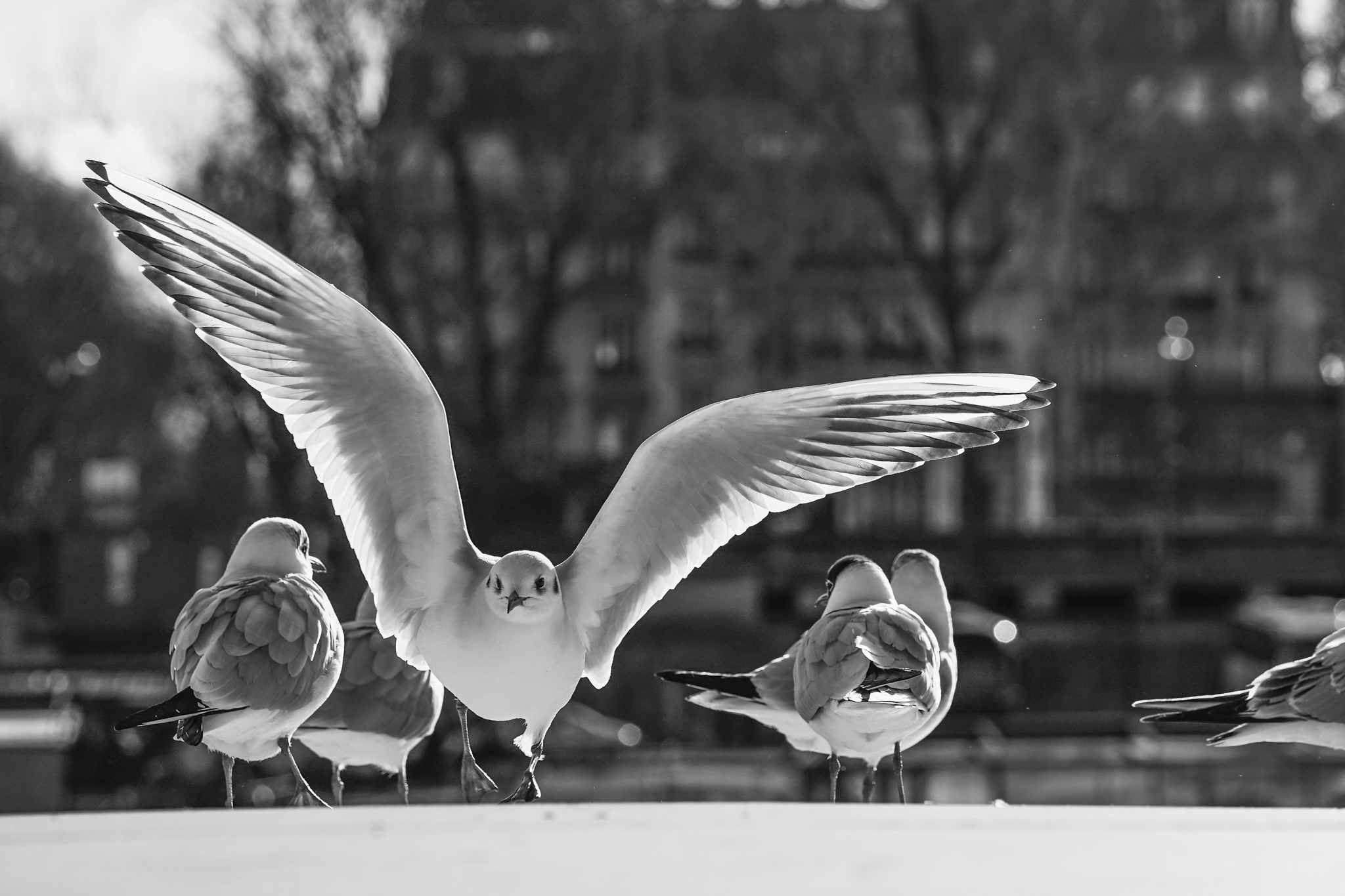
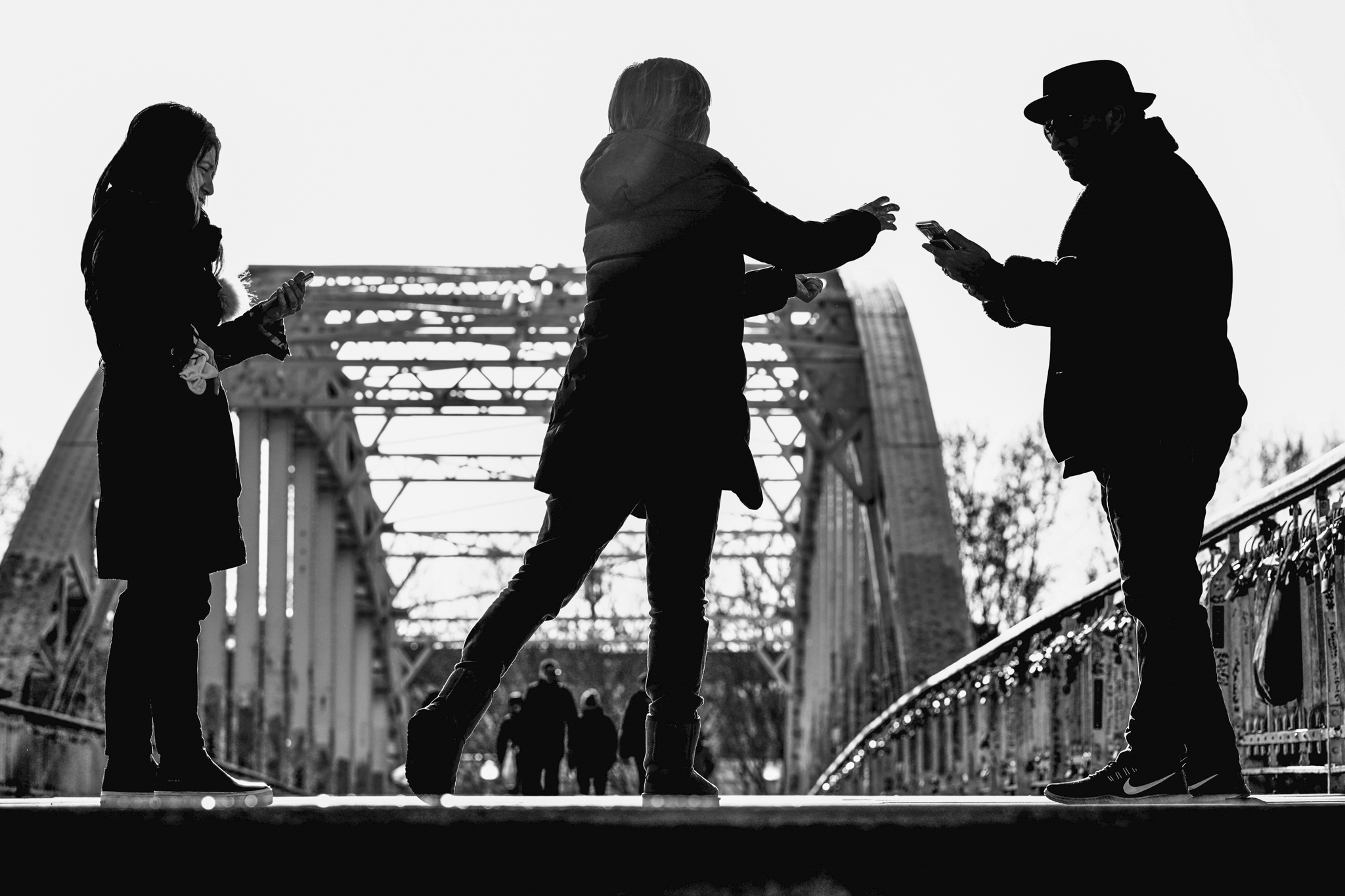
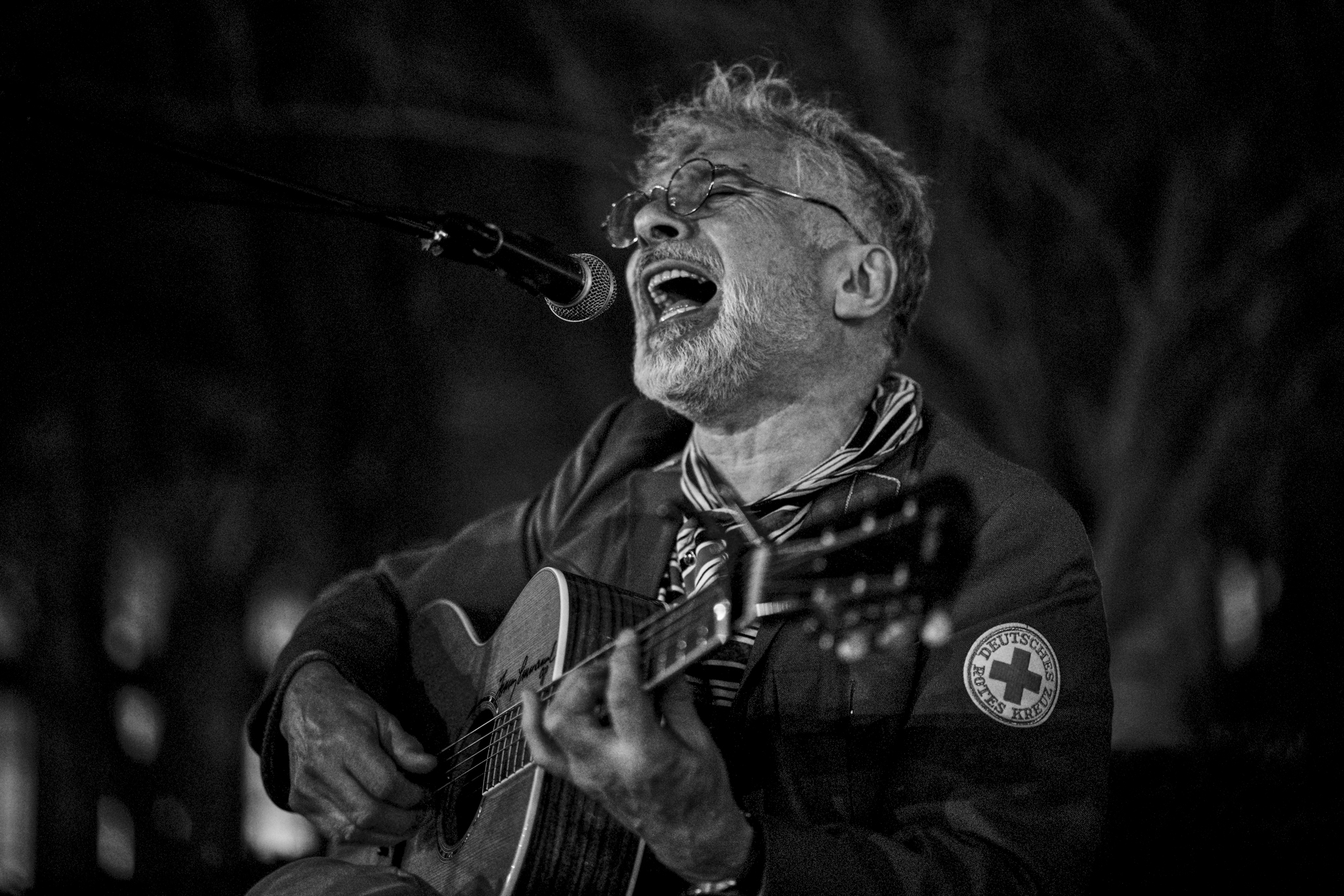
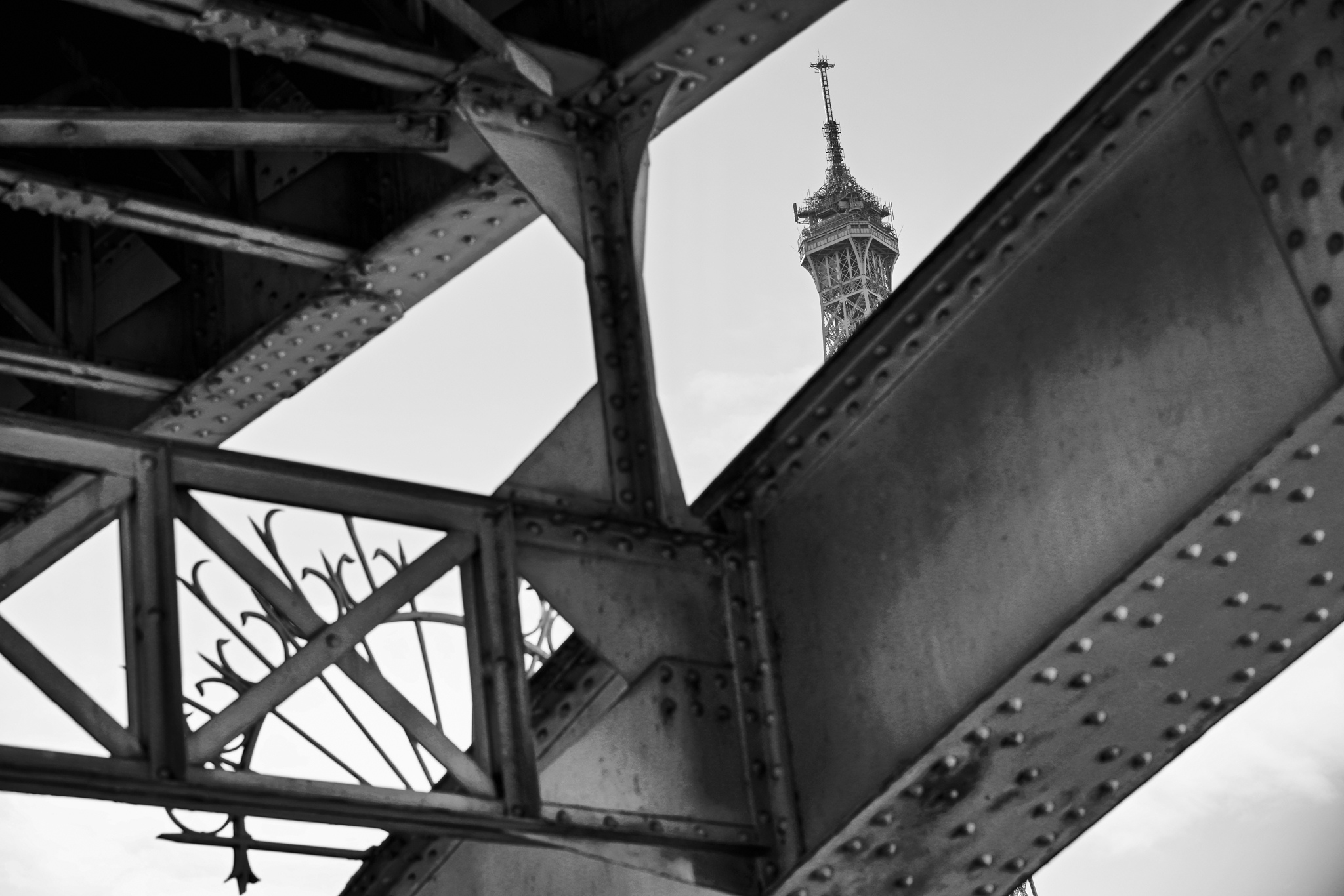
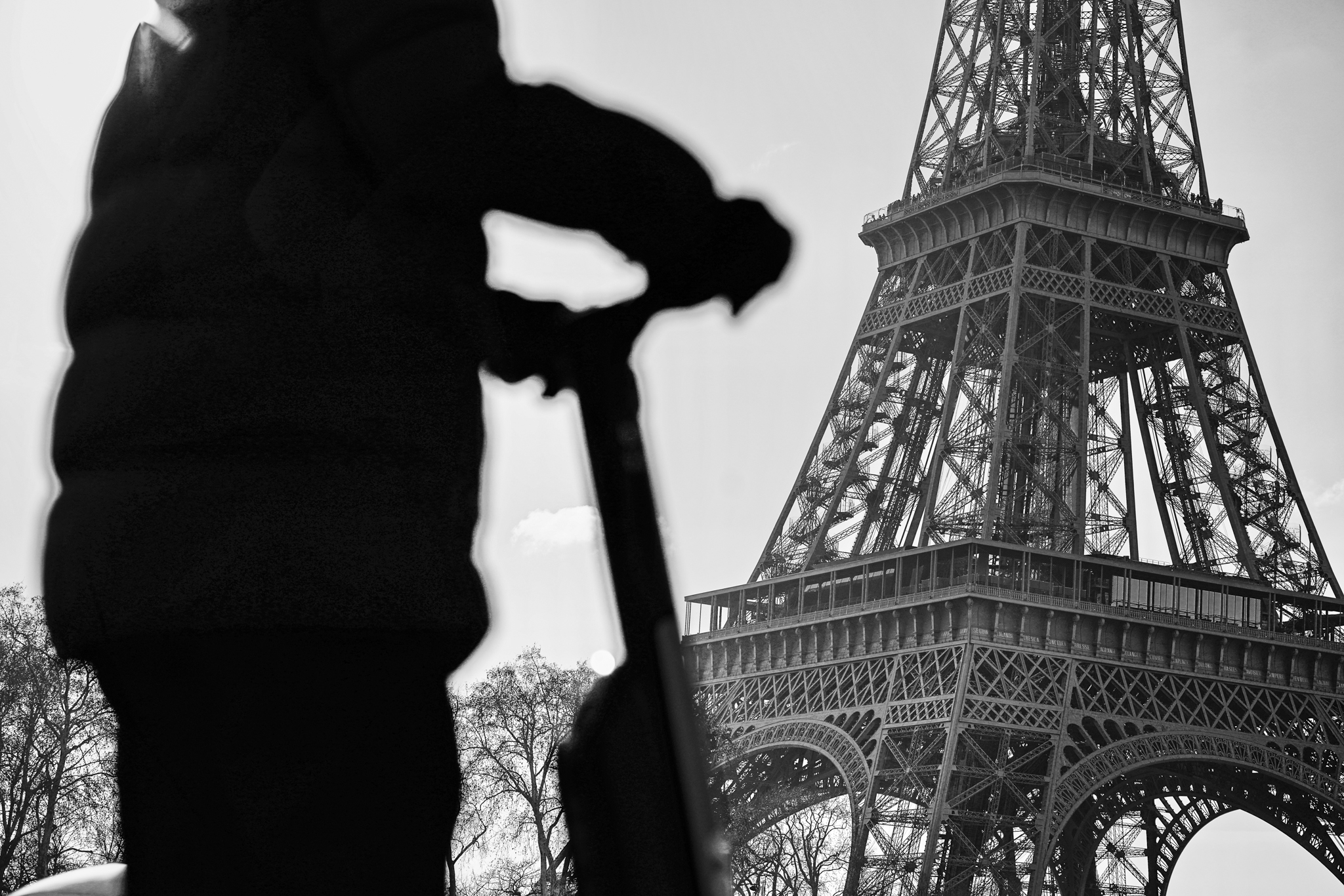
These moments highlight Paris’s juxtaposition of grandeur and intimacy. In monochrome, the Eiffel Tower looms as a symbol of permanence, while the lives unfolding around it reveal the transient beauty of human connection.
Elegance at Place Vendôme
The cobblestones of Place Vendôme echo with the rhythm of heels—sharp, deliberate steps that tell stories of elegance and poise. Each stride is a symphony of grace, with shadows playing along the worn pavement. In contrast, the Tuileries Garden offer a different kind of stillness. An abandoned bench sits solitary, weathered by time, whispering of countless visitors who paused there before moving on.
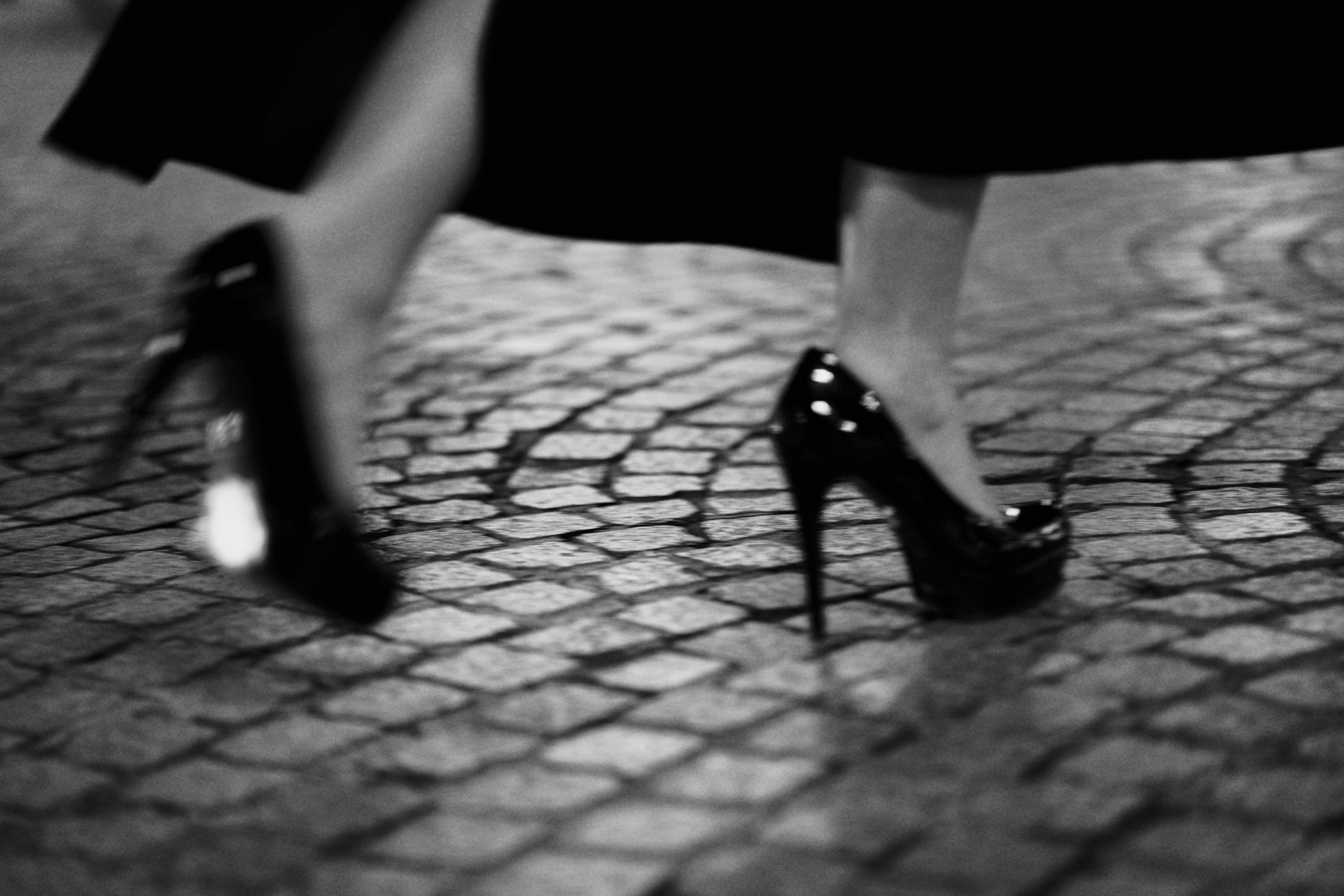

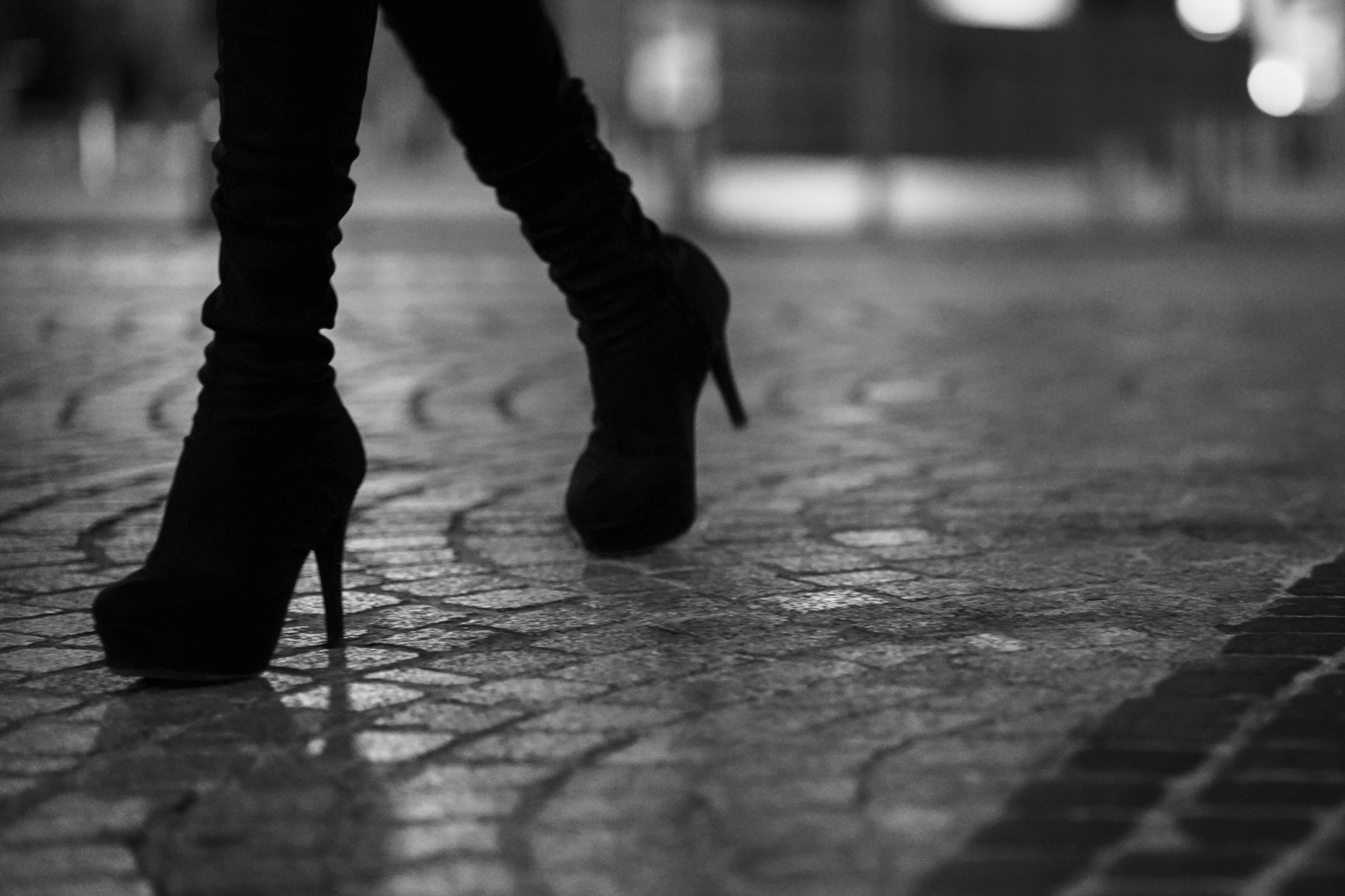
Black and white photography elevates these scenes, isolating the textures and details that might otherwise go unnoticed. The shine of a polished heel, the curve of a cobblestone, and the quiet dignity of an empty bench invite viewers to linger in the moment.
The Timeless Motion of Paris
Through these images, Paris reveals itself as a city of perpetual motion and quiet grace. Black and white strips away distractions, leaving the raw essence of each scene—the energy, the stillness, and the beauty that lies in between.
The City of Light moves, and in its motion, it becomes timeless.
The Essence of Black and White Photography
How would these photos have felt if they were in color? Would the vibrancy of the Eiffel Tower or the bright tones of a tourist’s scarf have drawn your focus? Likely, yes. But in black and white, something deeper emerges—an emphasis on shape, texture, and contrast that transcends the immediacy of color.
In Ted Forbes‘ book Visually Speaking, he explores this idea in his chapter titled “Black and White.” Forbes states that photography is its own reality, and in monochrome, this reality is defined by shapes and textures. He describes black and white as the essence of photography, representing light on its own. Monochrome creates minimalism through contrast and provides a foundation that extends into color.
Black and white plays a unique role when capturing motion. By removing the distractions of color, movement becomes more pronounced. The blur of a cyclist speeding down a staircase, the subtle arc of a tuktuk driver’s head as he waits, or the deliberate stride of heels against cobblestones—all of these moments are distilled into their purest form. The contrast between light and shadow emphasizes motion, making it feel immediate and eternal.
Looking at the images in this article, you can see how Forbes’ ideas resonate. The cyclist at Place de l’Alma becomes a study in movement—a blur of motion framed by the stark lines of the staircase. At the Eiffel Tower, the street performer’s raw emotion is heightened by the absence of distracting colors, allowing the texture of his face and the light in his eyes to take center stage. The shine of a polished heel on Place Vendôme’s cobblestones becomes a moment of quiet elegance, while the abandoned bench in the Tuileries Gardens whispers stories through its weathered surface.
Black and white photography strips away the noise and gives us clarity. It forces us to see light and shadow, shape and form, texture and tone. These images of Paris are distilled moments that tell their stories through the purest elements of visual communication.
Ted Forbes reminds us that black and white photography is a foundation—a way to simplify, to see light and contrast in their rawest forms. Through this lens, Paris moves and transforms into something eternal.
© Paul Tocatlian. All Rights Reserved.
 Tocatlian Blog